
Wellness Isn’t Happiness. It’s Skills You Practice For When Life Gets Hard.
Every January, wellness comes back around like a glitter cannon.
New routines. New supplements. New promises that this will be the year you finally feel calm, energized, and on top of your life.
And every year, I feel the same quiet resistance rise in my body. Not because I don’t care about wellness. And not because I don’t believe in supplements.
But because the way we talk about wellness is often idealistic, limited in scope, and unrealistic.
My line in the sand
Here’s my definition — plainly and clearly:
Wellness isn’t happiness. It’s cultivating the skills to regulate your nervous system, know what matters, and act with integrity when things are hard.
That’s it.
That’s the hill I’ll die on.
Because if wellness only works when life is calm, it’s not wellness — it’s fair-weather self-care.
Wellness is Like Snow Chains
Think of wellness like snow tires. Or snow chains.
These are not glamorous, not Instagrammable, and not something you think about much — until the road turns icy.
And then? They’re the difference between staying upright and spinning out.
Wellness, as I define it, is like snow tires or chains.
Imagine you take the time to practice putting on chains in the summer. Or a non-emergency moment. I imagine it would be much less challenging to put those feisty chains on in a blizzard, if you’ve done it before… am I right?
Anyway, it’s what helps you stay oriented when conditions are bad.
Not flashy. Just functional.
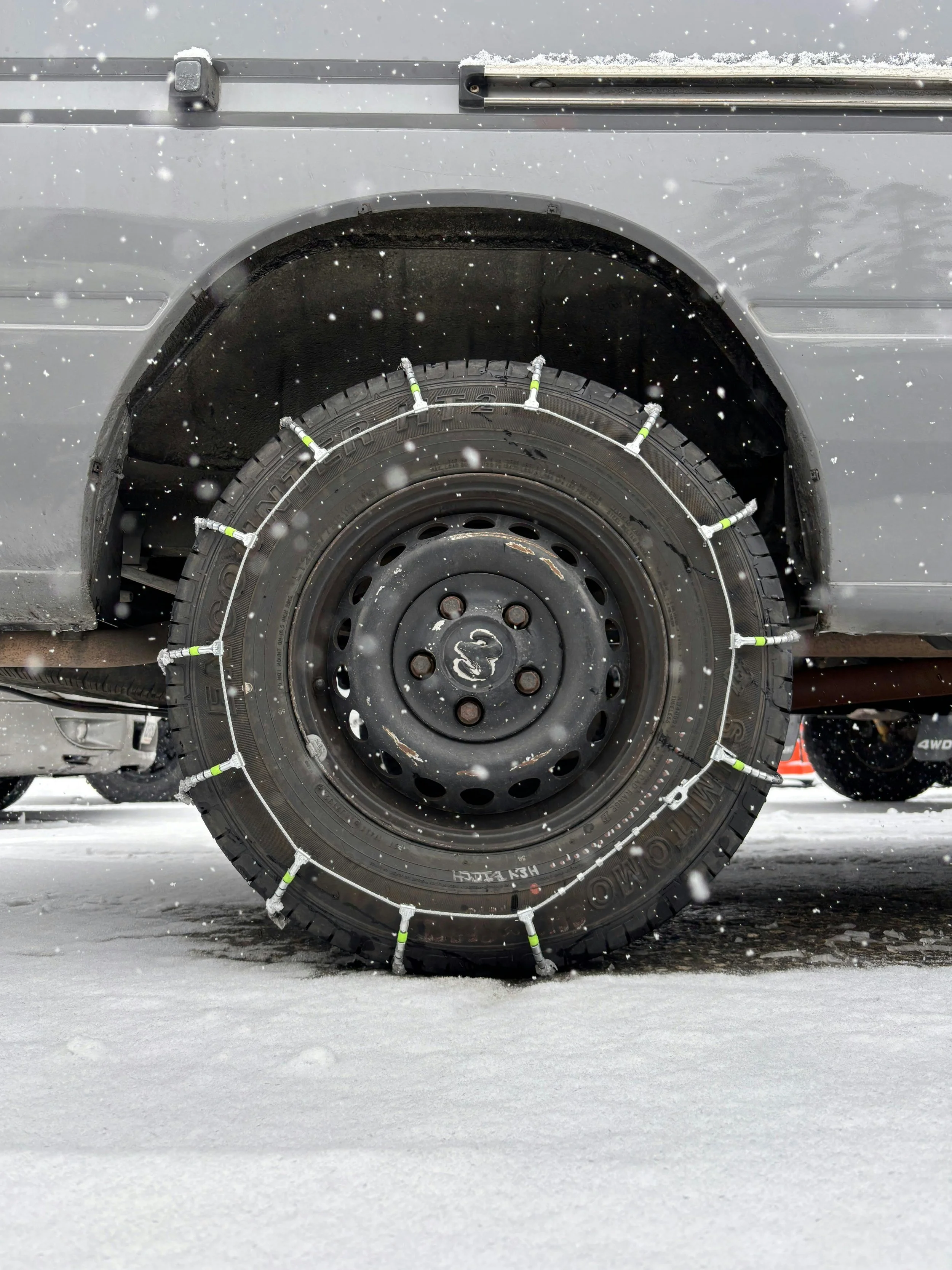
I’m a sucker for a good metaphor, and I strongly feel that “Wellness is like snow chains.”
Wellness is Like Sharpening Pencils
If you’re not familiar with snow chains, think of wellness like sharpening your pencils.
No one sits down to write or draw and expects a dull pencil to magically work. You sharpen it before you need it — and then again, and again. Not because you failed the last time, but because that’s how pencils work.
Wellness is the same.
It’s not a one-and-done achievement. It doesn’t always look picturesque or perfectly pointy! It’s the ongoing skill of noticing what’s dull, choosing the right tool, and taking a moment to sharpen it before you’re under pressure to perform. Some days you need the pencil for focus. Other days, for emotional regulation. Other days, for clarity or courage.
And part of wellness is knowing which pencil needs sharpening — and when.
You may want to sharpen them all at once. But you really just need to sharpen the one you’re about to use.
It’s not perfection. It’s not having every part of your life ‘in balance’ and harmonious looking.
A contrarian conversation that sharpened this for me
Recently, a friend and I were talking about wellness trends for the year.
She’s in a brutal season: recently divorced, solo-parenting, intense work demands, dating while exhausted, lonely.
She said:
“Honestly, I’m tired of reading about wellness and being pressed into being well all the time.
Sometimes it’s just too hard. Sometimes I need to be in grief. Or grind it out. Or just survive until I get to the other side.”
This is such a real, honest sentiment.
Nothing was wrong with her. What was wrong was the definition she felt measured against.
What wellness is not
Let’s be clear about what I’m pushing back on.
Wellness is not:
Smiling through grief
Being calm at all times
Performing resilience
Having perfect routines
Feeling good about hard things
That version of wellness collapses the moment life asks something real of you. When things get hard. Burnout. Illness. Caregiving. Loss. Uncertainty. Relationship struggles.
If your tools only work when things are easy, they’re accessories — not skills.
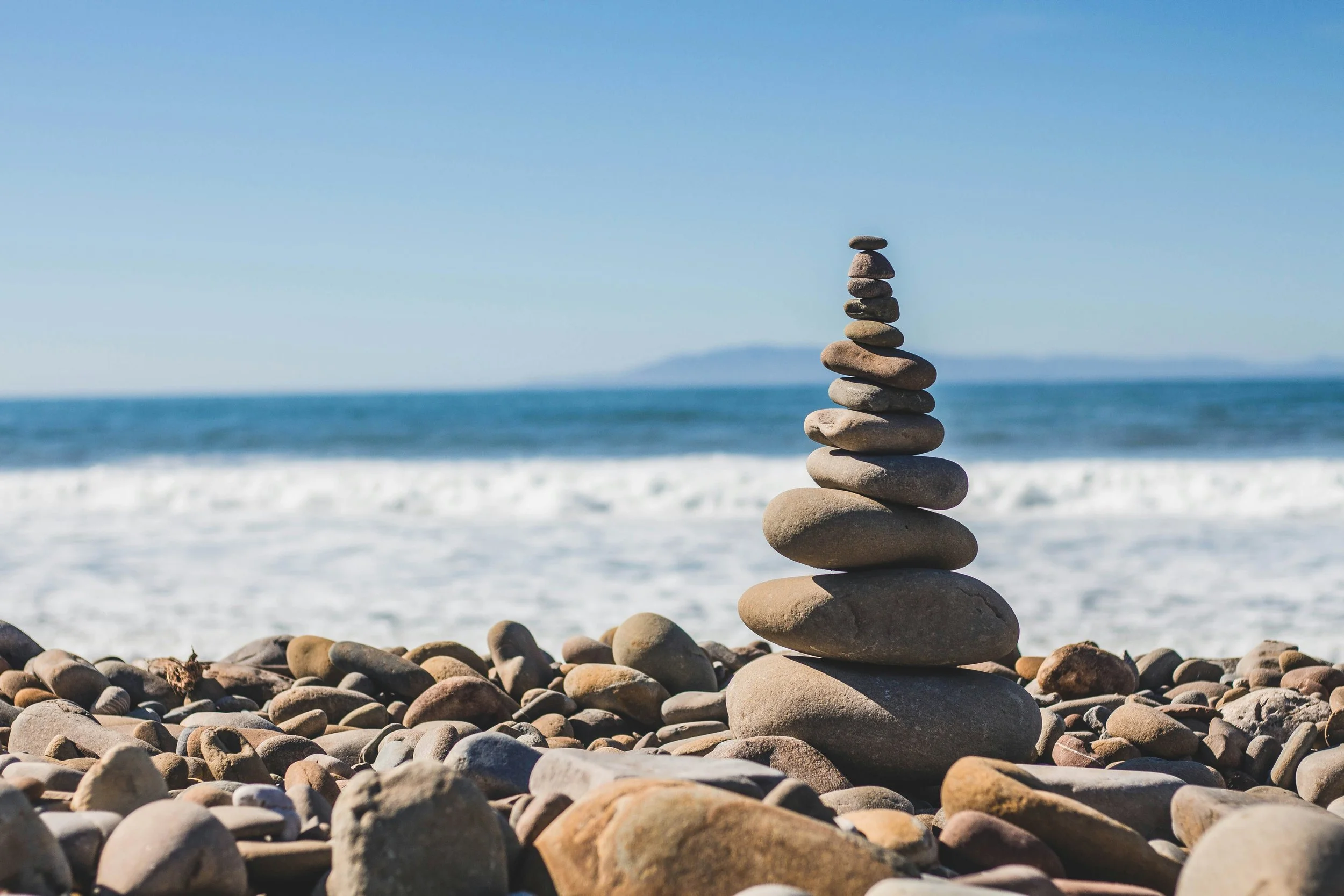
If life is feeling hard, and this is your vision of wellness… it will feel unattainable.
What wellness actually looks like in real life
Using my definition, here’s what wellness looks like on the ground:
1. At work, under pressure
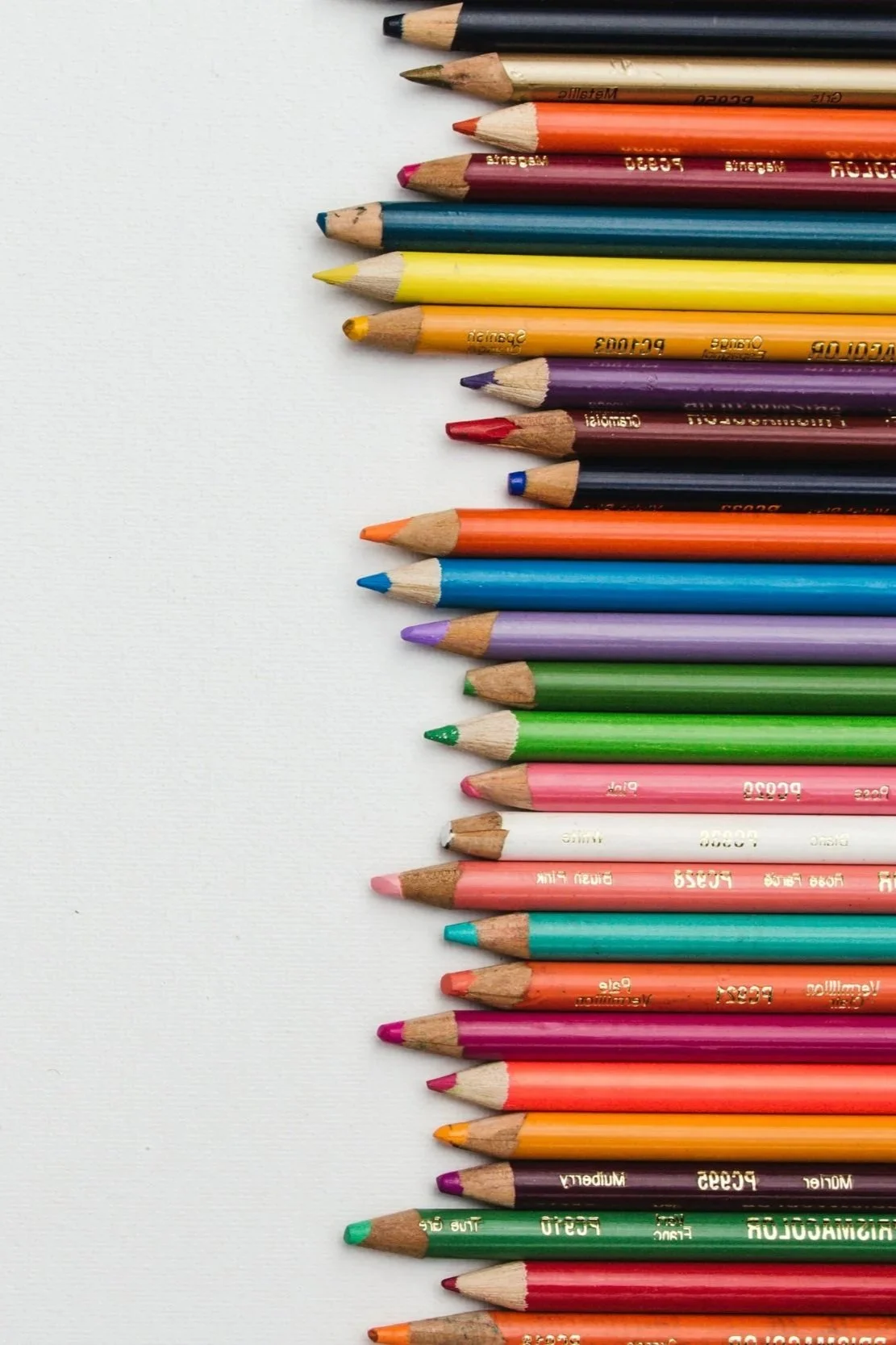
Wellness is remembering to sharpen your pencils — not once, but often — so you’re ready when life asks you to show up.
If you’re overwhelmed and behind, wellness isn’t pretending you’re fine. It’s noticing you’re disregulated, slowing your body down, naming what’s actually urgent, and having a clear conversation instead of silently burning out.
2. In grief
Wellness isn’t rushing yourself to “heal.” It’s letting grief move through you while staying connected to your values and making steady, compassionate choices. It’s recalibrating expectations and priorities to give yourself more margin.
3. In parenting
Wellness isn’t endless patience. It’s catching yourself when you’re activated, repairing after you snap. It’s modeling your humanness and your attempts to self-regulate, instead of trying to show your kids that you are ‘perfect.’
4. In relationships
Wellness isn’t keeping the peace at all costs. It’s being able to stay connected to your own feelings and needs. Having the skill to hold compassion for yourself, to advocate for yourself, and to speak and act with integrity — even when it’s uncomfortable.
5. In a demanding season
Wellness isn’t doing everything “right.” It’s choosing fewer things on purpose, staying oriented to what matters, and trusting yourself to respond rather than react.
Thriving doesn’t mean you’re doing great.
Thriving means you can move through hard seasons more skillfully than you used to.
Supporting theories and definitions
This understanding of wellness is born from my own personal experience, and witnessing that of my clients. I’m happy to see there are other folks that share alignment around my defiintion:
Peter Levine — his work on trauma and the nervous system emphasizes regulation, not positivity. (More on how somatic experiencing helps people reorganize the nervous system: https://traumahealing.org/)
Tara Brach — she teaches that presence and compassion inside difficulty are the path, not bypassing it. (More on “Radical Compassion” and how to meet what is with awareness and tenderness: https://www.tarabrach.com/compassion-others-self/)
Brené Brown — her research consistently shows that resilience is built through honesty, boundaries, and skillful engagement with vulnerability — not constant happiness. (More on her work on vulnerability, courage, and wholehearted living: https://brenebrown.com/)
Different disciplines. Same through line: Wellness is about how you meet reality — not whether reality feels good.
Why this is the foundation of my work
This is why I started the work I do.
It’s why I started Zest to support organizations in building:
Nervous system regulation
Emotional literacy
Clear communication
Sustainable resilience
And it’s why I facilitate groups and do private coaching.
If coaching isn’t helping you be well — in the truest sense — then what are we doing?
I’m not interested in helping people look okay.
I’m interested in helping them feel more sturdy when things are hard.
A closing thought
Wellness isn’t a personality trait.
It’s not a vibe.
It’s not a moral achievement.
It’s a practice.
A relationship.
A set of skills you cultivate over time — especially when life doesn’t cooperate.
And if you’re in a season where being “well” feels impossible?
Nothing is wrong with you.
You’re just being asked to build skills that actually work.
That’s the kind of wellness I believe in.
It’s the lens through which I pursue my own wellness.
And, it’s how I want to support the wellbeing of others.